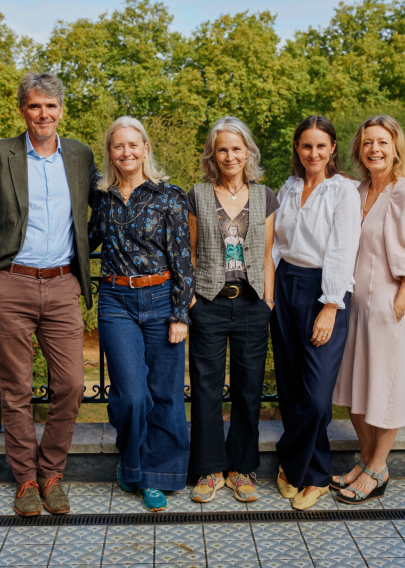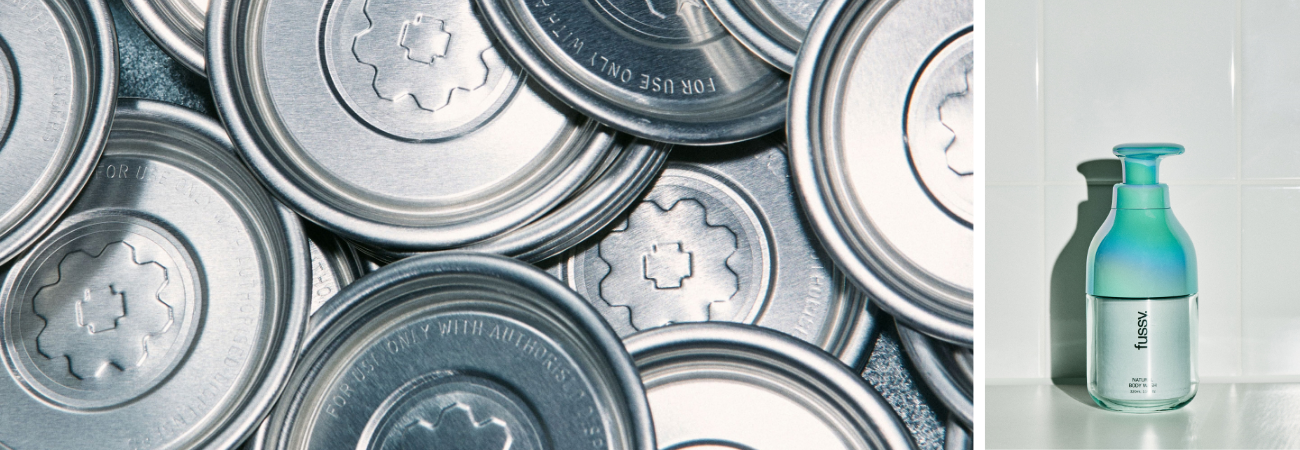
Meadow is built on the belief that circularity should feel effortless. The company develops technologies that help global brands reduce environmental impact without compromising on beauty, functionality, or user experience. In 2026, Fast Company named Meadow one of the World’s Most Innovative Companies in the Social Good category, recognising its work to make circular systems easier to adopt by leveraging existing manufacturing and recycling infrastructure.The company’s MEADOW KAPSUL™ system has received international recognition from the design community, including Red Dot Best of the Best. Products enabled by the system are available through major retailers across Europe. The platform continues to expand globally into new product categories and applications. We spoke to the Meadow team to find out more about how adopting refillable packaging systems can present commercial opportunities for luxury brands today.
Why has refill and reuse struggled to achieve mainstream adoption, and what needs to change for it to become the norm?
From the beginning, we believed the challenge was not only about materials, but also design. For circular packaging to scale, it must work for consumers, brands, and existing infrastructure. Many refill systems introduce new habits or compromise convenience, creating friction that limits adoption. Consumers should not have to sacrifice experience for sustainability. The experience must be as good as, or preferably better than, the alternative. Scale matters too. Rather than creating new supply chains, we asked what already exists, works globally, and has circularity built in. The answer was the aluminium beverage can. By transforming the can end, we turned this familiar format into a pre-filled container for new product categories.

What insight led Meadow to reimagine the aluminium can for beauty, personal care, hospitality, and other consumer product categories?
Our insight was that if this format works effectively for beverages, its strengths could also be applied to other categories. In the beverage sector, the can is available at scale, price-competitive, trusted by consumers, and highly sustainable. We wanted to bring these benefits to other product categories. First, we made it safe for non-consumable products. We modified the can end by centralising the opening, removing the pull tab, and adding a crimped rim. These changes prevent it from being opened like a beverage can. The sealed cartridge is opened using a reusable, customisable dispenser. Once the cartridge is empty, consumers can recycle it and replace it with a new pre-filled can.
Luxury brands are under increasing pressure to reduce waste without compromising the customer experience. How does MEADOW KAPSUL™ address both challenges simultaneously?
We believe sustainability should not come at the expense of convenience or aesthetics. MEADOW KAPSUL™ delivers a quick, intuitive refill experience while creating a design canvas for brands.The reusable dispenser can be developed in different materials, shapes, and finishes, allowing brands to make it as premium as they choose. Consumers receive a fresh, sealed refill every time, with a distinctive activation sound confirming the pack has opened correctly and reinforcing the ritual of use.For luxury brands, the system combines convenience, brand engagement, and circularity without compromising brand identity or asking consumers to fundamentally change their existing behaviour.
Many circular packaging innovations struggle to scale because they require entirely new systems. How did Meadow approach scalability differently?
Rather than building new supply chains, our approach leverages established manufacturing capabilities, consumer behaviours, and recycling infrastructure. The scale is already there, and the proof points have long been established.Aluminium cans are already familiar to consumers, with an average global recycling rate of approximately 75% and 74% recycled content, contributing to lower energy consumption, reduced carbon emissions, and material circularity.We are enabling this established ecosystem to expand into new product categories through a licensing model. Instead of buying packaging directly from Meadow, brands work with established manufacturing partners producing cans and dispensers incorporating MEADOW KAPSUL™ technology, allowing them to adopt the system through suppliers they already know and trust.
What have you learned from brands and consumers already using the MEADOW KAPSUL™ system?
When consumers evaluate the system, they often focus on convenience, ease of use, and elevated design. Sustainability remains important, but the strongest reactions are frequently linked to the overall experience. Those positive experiences reinforce the system’s circular credentials by encouraging continued reuse.This strengthens our belief that circular solutions achieve greater impact when they are convenient and perform better. Adoption becomes easier, and for brands it creates opportunities to build loyalty and encourage repeat engagement while also advancing sustainability objectives.
Looking beyond sustainability, where do you see the greatest commercial opportunity for brands adopting refillable systems over the next five years?
As packaging regulations get stricter, sustainability is becoming a hygiene factor rather than a long-term differentiator. At the same time, studies show that consumers prioritise convenience and seamless routines over environmental benefits. Friction remains a key barrier to refill adoption.The opportunity for brands is building longer-lasting consumer relationships through thoughtful design beyond the point of purchase. We all have to deal with empty containers and packaging frustrations. Reducing that friction can create meaningful value in daily life. With MEADOW KAPSUL™, activating a refill and disposing of the empty can are designed to be easy, while the durable dispenser remains in the consumer’s environment, creating an ongoing brand touchpoint beyond the initial purchase.
If you could challenge luxury brands to rethink one assumption about packaging, what would it be?
We would challenge beauty and personal care brands to think more deeply about how consumers interact with their products throughout the entire product lifecycle, especially when the brand is not present in the moment.Too often, the value of packaging is viewed primarily through the lens of the purchase decision. Yet product packaging is often the only part of a brand that remains present throughout the entire user journey. It is the only part of the brand that is guaranteed to be seen by consumers daily.When brands decisions reflect on how strategic product packaging is to the customer experience rather than a disposable necessity, new opportunities for differentiation emerge.
Looking forward, what is your immediate focus for creating positive change as a supplier?
Right now, our focus is on bringing MEADOW KAPSUL™ to more brands, categories, and markets. Each brand that adopts the format helps reduce waste while making refill more familiar to consumers. Our advice is to start with one product. A single launch allows a brand to see how the system works for its customers and build the case for taking it further.
Finally, how has working with Positive Luxury and earning Butterfly Mark certification changed or informed your approach to your sustainability journey?
The Butterfly Mark assesses both how we operate as a company and what we create. For a young, fast-growing company like ours, the process has provided a clear framework for embedding good practice into how we work while the business is still taking shape. It also gives the brands we work with an independent view of our performance and connects us with a community of businesses working towards the same goals.
LEARN MORE ABOUT MEADOW’S BUTTERFLY MARK CERTIFICATION
< Back