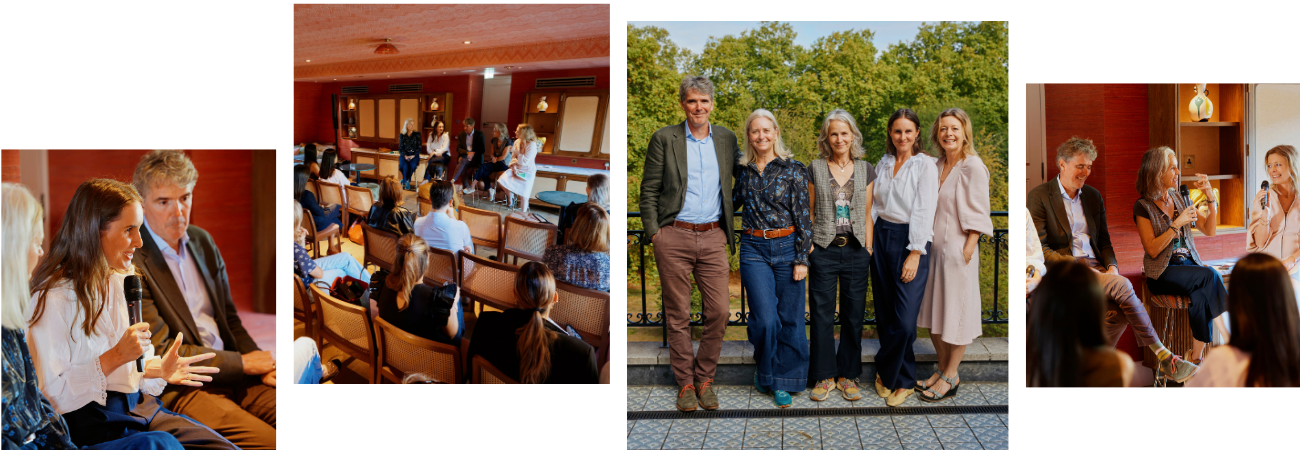
How can brands make sustainability part of everyday business decisions without compromising beauty or desirability? This question was at the heart of Conscious by Design, a panel discussion hosted by Positive Luxury and brand consultancy Peridot PR at London members’ club Pavilion Knightsbridge.
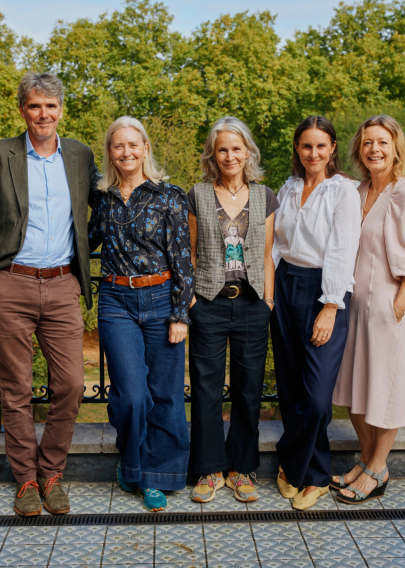
The panel brought together Emily Campbell, Owner and Creative Director at Butterfly Mark–certified If Only If Nightwear; Nelly Hall, Brand Director at Alitex; Charlotte Semler, Co-Owner and Founder at Verden and Votary; and Jamie Shawcross, Director at Fermoie. Their perspectives spanned fashion, interiors, gardening, and beauty, offering practical insight into turning conscious value into meaningful business impact – by embedding sustainability across marketing, operations, product development and company culture.
From responsible production to renewable energy, certification and employee engagement, the discussion highlighted that there is no single blueprint for building a more conscious business. Instead, progress comes from making clear choices, involving and bringing people along on the journey, and consistently putting values into practice.
KEY TAKEAWAYS
1. Start with clear values – and let them shape the business
For the panellists, embedding sustainability starts with being clear about what values the business stands for. At If Only If Nightwear, a commitment to natural materials and considered production has become central to the brand’s identity – from using GOTS-certified organic cotton to deliberately limiting production rather than overproducing for a sale.
As Emily Campbell explained, “You have to be clear about what you stand for. And then your customer is becoming educated, and they’re understanding what those clear pillars are for your business.”
Those values can then shape everything from product and supplier decisions to how a brand communicates with its customers.
2. Bring your whole team with you
Sustainability cannot sit with one person or department. Across the panel, there was a strong emphasis on making conscious thinking relevant to everyone across the business – and giving employees a role in driving progress.
As Alitex’s Nelly Hall put it: “Bring your team with you, 100%… Taking everyone on the journey with you is so important.”
For Verden, this has meant embedding sustainability into annual reviews, creating space for employees to share ideas and recognising the contribution each person can make.
3. Start small and build momentum
Businesses do not need to transform everything at once. The panel encouraged taking one practical step, doing it well, evidencing the results and using that progress to drive the next.
Advice from Fermoie’s Jamie Shawcross from Fermoie’s advice was simple: “Take one small thing at a time, let it snowball... Do it well, evidence it to yourselves and everyone around you. Take pride in the results and let it snowball into doing more”
The focus is not on perfection, but on creating a cycle of action, learning and continuous improvement.
4. Let conscious choices create customer value
Sustainability may not always be the primary reason luxury customers choose a product. But the values behind conscious decisions can strengthen or even underpin the qualities they do care about: craftsmanship, quality, and transparency.
The important point is that sustainability does not have to sit separately from desirability. For If Only If Nightwear, its focus on natural fibres, craftsmanship and slower production supports the qualities customers return for: beautiful materials and thoughtfully made products.
5. Use certification to evidence progress
Certification can provide a valuable framework for understanding what a business is doing well, identifying areas for improvement and creating greater clarity around its commitments.
Reflecting on If Only If Nightwear’s Butterfly Mark Certification, Emily said: “What I think it was brilliant for, was to be clear on the things we’re doing really well and to be really clear on the things we could do better at.”
Ultimately, that value extends beyond achieving the certification: the process encourages examining the business, putting evidence behind its actions and creating greater accountability.
IN SUMMARY
Building a more conscious business is a journey, not a destination. The panel’s advice was clear: define what you stand for, bring your people with you, start small and build momentum, while using verified evidence and transparency to hold yourself accountable.
The opportunity for brands is to move beyond sustainability as a standalone initiative, and embed conscious thinking into the decisions that shape their products, people, customers and businesses – every day.
< Back