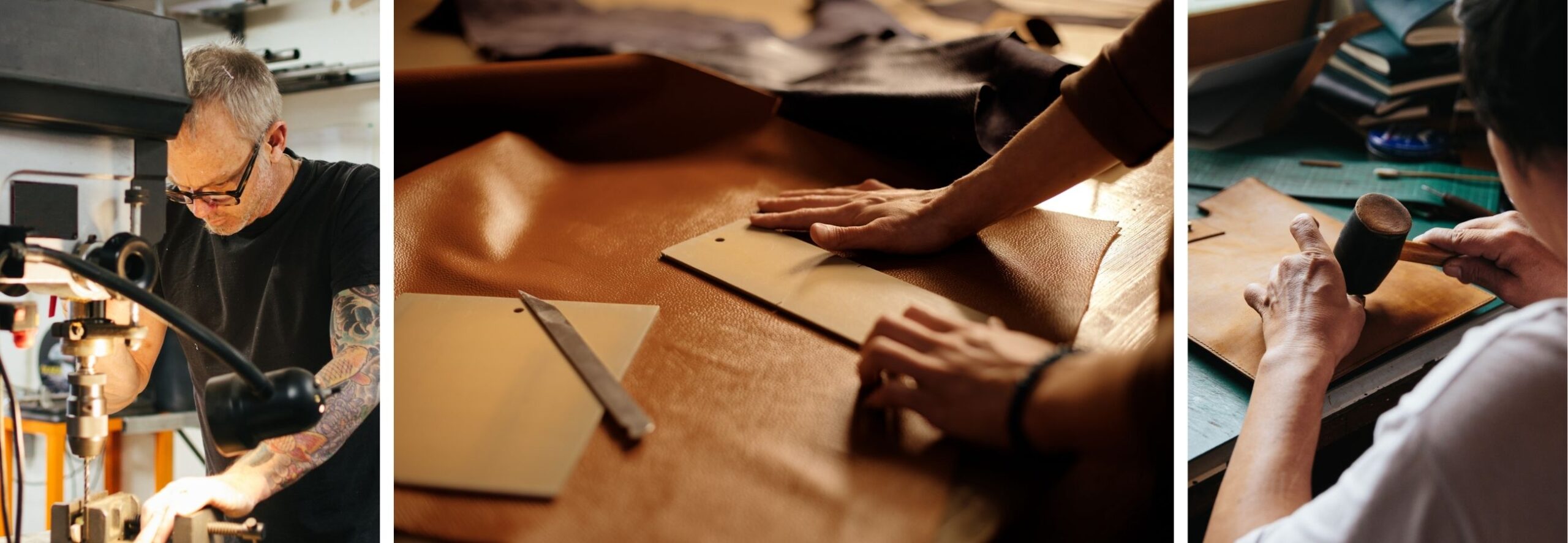
The stakes have changed for responsible sourcing – and luxury supply chains are under pressure from all directions. Sourcing is fast becoming a defining measure of credibility across the luxury sector, and interiors is no exception. For luxury interiors businesses, risk are predominantly concentrated in textiles, leather and the processing that shapes them into finished furnishings. This narrower focus doesn’t make the risk smaller, but it does make it more specific. Positive Luxury’s recent guide, Responsible Sourcing in Luxury, explores how brands can identify, assess and work with responsible suppliers. For interiors, this means looking beyond the material itself to understand how it is sourced, processed and used.
WHERE THE RISK IS CONCENTRATED
One of the core challenges for interiors brands is validating the claims made about next-generation materials. New fibre blends, alternative leathers and low-impact finishes are increasingly common, but their sustainability credentials need evidence behind them – which requires testing – before they can be trusted.
Chemical management is another priority. Dyes, inks and wastewater from textile and leather processing remain significant sources of environmental risk. Leather and animal-based textiles also raise many of the same sourcing and processing concerns found in fashion.
A further trade-off between durability and scalability is also evident. Materials in this category need to perform over years of use, rather than a short product cycle, and brands need to understand whether new alternatives can meet those expectations as production scales.
WHAT GOOD LOOKS LIKE
There are four key approaches to mitigation that brands can take to cut through the complexity:
- Require third-party verification of material and impact claims rather than take the suppliers word for it
- Adopt ZDHC guidelines to help manage the chemical risk inherent in dyeing, printing and tanning
- Test materials for performance and durability at the scale they’ll actually be used before scaling production
- Use responsible, non-toxic processing wherever textiles or leather are involved
CASE STUDY: RESPONSIBLE SOURCING IN PRACTICE
Luxury bed linen brand London & Avalon regularly reviews its product lifecycle, from raw materials to packaging, to identify opportunities to reduce waste. Its upcycling project turns fabric scraps into pyjamas and nightshirts, giving offcuts a useful second life. Working with Positive Luxury also helped the brand accelerate changes to its packaging, including a switch to sugarcane bioplastic.
KEY TAKEAWAYS FOR LUXURY BRANDS
- Run a full lifecycle analysis – from raw material to packaging. Don’t stop at the fabric or leather itself – trace impact all the way through to how the finished product is packaged and delivered
- Make chemical management part of sourcing – use ZDHC guidelines to inform supplier requirements wherever dyeing, printing or tanning takes place. This is the single highest-leverage step for managing chemical and wastewater risk
- Design sourcing decisions around longevity – interiors products are used for years, not seasons. Test new materials to demonstrate that they can last before scaling
- Repurpose – London & Avalon’s approach to using offcuts shows how surplus material can become a useful product rather than waste
DOWNLOAD POSITIVE LUXURY’S RESPONSIBLE SOURCING IN LUXURY