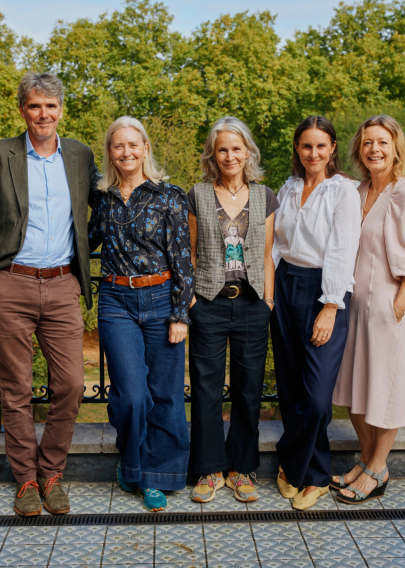
As the Positive Luxury Awards 2026 continue to spotlight the evolving standards of responsible luxury, the perspective of its judges offers a clear lens into what meaningful progress truly looks like today. We spoke with Niclas Ekerot and Valentina Marschik, judges of the Fashion Award, alongside Lisa Oxenham, who assessed the Responsible Luxury Business of the Year category, to uncover what distinguished the strongest entries. From embedding sustainability into day-to-day operations to demonstrating measurable impact and honest storytelling, their insights reveal how brands are moving beyond intention – and proving what real leadership looks like in a changing industry.
. . .
What were you looking for as a judge from the shortlist?
Valentina: I was looking for companies that could clearly and credibly demonstrate their sustainability practices. It was important to see that sustainability was not treated as a surface-level message, but as something embedded into the way the business operates, makes decisions, and creates long-term value.
Niclas: I was really looking for substance over storytelling. It’s easy to say the right things, but what stood out to me were the brands that could show real, tangible progress. I was drawn to those who had embedded sustainability into how they operate day to day, not just as an initiative, but as part of their mindset. Honesty also mattered a lot; those who were open about challenges felt far more credible.
Lisa: I looked for real evidence of sustainability integrated into the business, not just a separate initiative. I wanted to see clear strategy, measurable impact, credible innovation and transparency, especially where brands showed meaningful progress on environmental and social issues alongside commercial growth.
Why is it important for Positive Luxury to celebrate sustainability leadership?
Valentina: It is important because it helps shine a light on the initiatives, innovations, and leadership that are moving the industry forward. Celebrating sustainable leadership not only recognises progress but also encourages others to raise their standards and take sustainability more seriously.
Niclas: Because it sets the tone for where the industry needs to go. Luxury has always defined standards, and I think it has a real responsibility to lead in this space. By celebrating those who are doing it well, Positive Luxury not only recognises progress but also makes it visible and that visibility encourages others to step up and do better.
Lisa: Celebrating sustainability leadership is crucial as it sets a standard for excellence. These awards highlight businesses doing meaningful work, not just those with good communication. They inspire others to transition from ambition to action, raising industry standards.
How important do you think transparency around sustainability initiatives is to the consumer?
Valentina: It is incredibly important and likely one of the most important factors today. Consumers are more informed, more conscious, and far more attentive to the impact of the brands they engage with. Transparency builds trust, and without that trust, sustainability claims can quickly lose credibility.
Niclas: For me, it’s fundamental. Consumers today are paying attention, and they can tell when something feels superficial. Transparency builds trust it shows that a brand is serious, not just saying what people want to hear. Even acknowledging what’s not perfect yet can actually strengthen that trust.
Lisa: Transparency is essential. Consumers are wary of vague claims and want insight into a brand’s values. Honest communication fosters trust and accountability. In luxury, where heritage and storytelling matter, transparency is key to credibility.
Why are you supporting the work Positive Luxury is doing?
Valentina: I support the work Positive Luxury is doing because it is crucial that organisations making genuine progress on sustainability are recognised and elevated. Their platform helps bring visibility to businesses that are leading with purpose and contributing to a more responsible future for the industry.
Niclas: I support it because it brings a level of clarity and integrity to sustainability in luxury. There’s a lot of noise in this space, and it’s not always easy to distinguish real impact from good marketing. Positive Luxury helps cut through that, while also encouraging brands to keep improving, which I think is essential.
Lisa: I support Positive Luxury for its role in advancing the sustainability conversation. It emphasises that luxury sustainability must be backed by evidence and long-term commitment. This framework is valuable for both businesses and the broader industry.
In today’s economy, why should luxury businesses invest in sustainability?
Valentina: Because it is the future. For luxury businesses, investing in sustainability is about staying relevant, building resilience, meeting evolving consumer expectations, and shaping long-term success in a changing world.
Niclas: Because it’s about long-term relevance. Luxury is built on ideas like quality, craftsmanship, and longevity. Sustainability naturally fits within that. Consumers expect it, but beyond that, it’s simply the right way to build a business that lasts. For me, it’s less about obligation and more about responsibility and future success proofing.
Lisa: Sustainability is now essential for long-term resilience. It helps manage risk, strengthen supply chains, respond to consumer expectations, and build trust. For luxury brands, investing in sustainability protects value by safeguarding craftsmanship, materials, reputation, and future relevance.
DOWNLOAD THE 2026 WINNERS REPORT
< Back