FASHION & ACCESSORIES
PLANET OF THE GRAPES
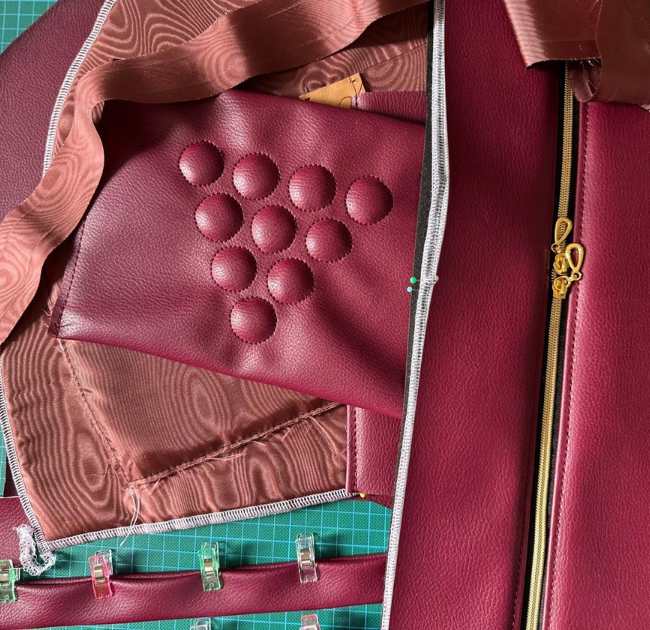
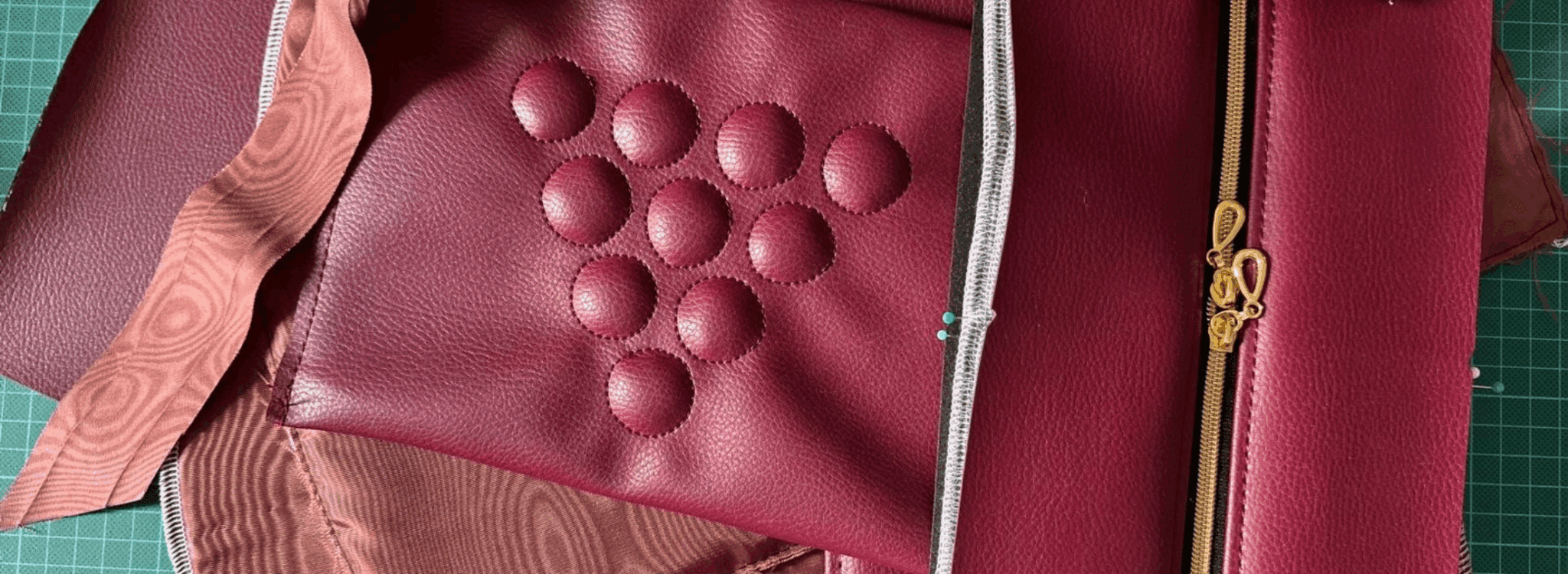
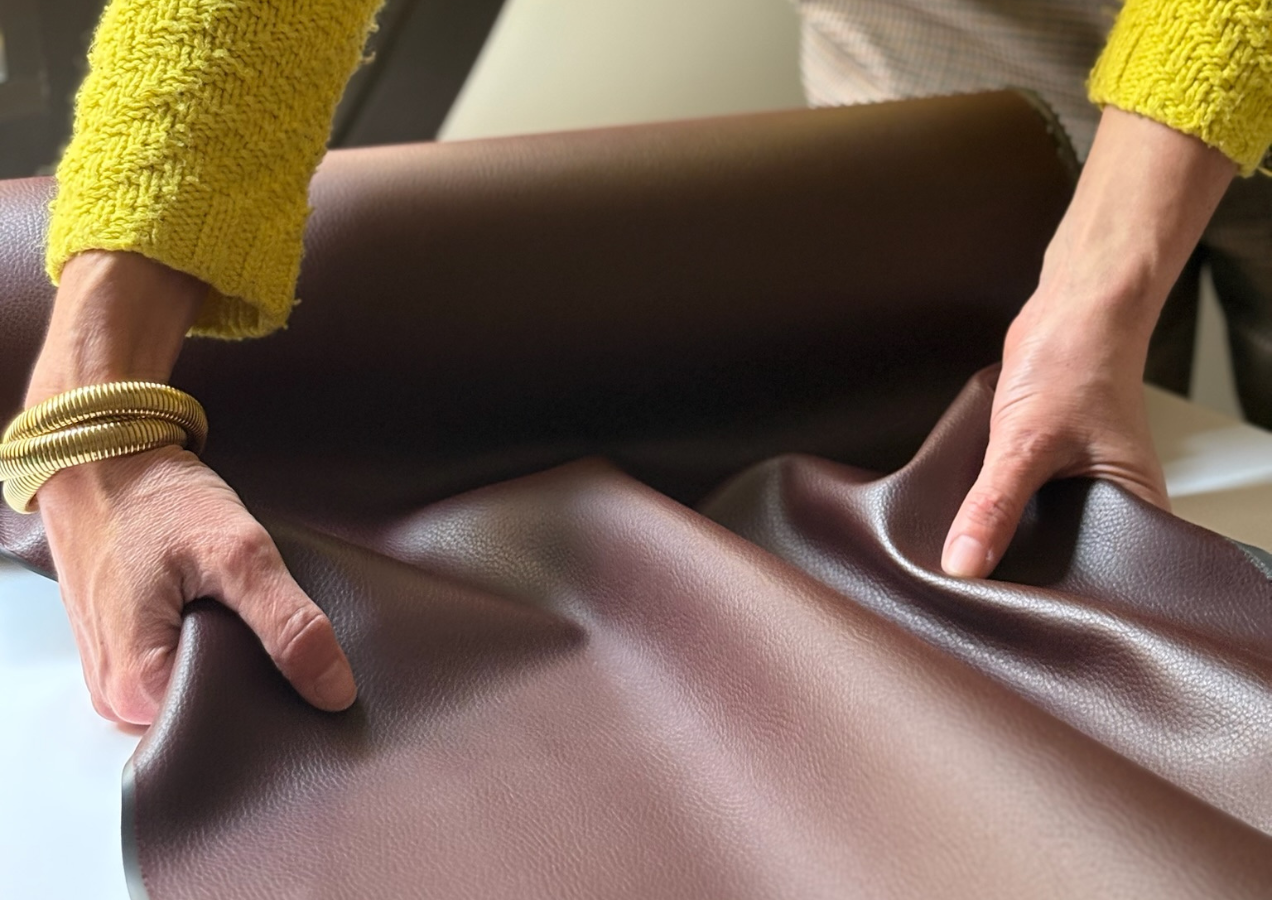
Rooted in the French savoir-faire of winemaking, enriched by experience in Fashion and Lifestyle, and elevated through the precision of its Italian partners, Planet of the Grapes creates grape-based biomaterials using grape waste sourced from local winemakers. The biomaterial, “Savigne by Planet of the Grapes®,” can be considered an alternative to animal leather as well as a replacement for 100% petroleum-based synthetics. Each biomaterial carries its own story, shaped by culture, craftsmanship, and nature itself. The company offers a core collection and also provides bespoke customisation, developing biomaterials in clients’ signature colourways.
SUSTAINABILITY PURPOSE
Planet of the Grapes envisions a design process rooted in regeneration and circularity – one that reduces dependence on the extraction of the planet’s finite resources. Savigne by Planet of the Grapes® biomaterials begin their life as grape waste, sourced from grapes that have been carefully harvested and pressed for Provençal wines. A second life is then given to these winemaking by-products as they are transformed and engineered into refined biomaterials. The material is subsequently shaped into enduring luxury accessories, bespoke wine menus for châteaux, domaines and restaurants, and other objects designed to last. Every element of the material is intentional, guided by a deep responsibility to care for the Earth. By working with selected vineyards, full traceability of the grape pomace is ensured – a transparency that can be openly shared. The supply chain has been deliberately engineered for a low carbon footprint: intentionally short, traceable and respectful of both people and the planet. All core activities – including material formulation, process development and manufacturing – are carried out within a 500-kilometre radius. Certain essential ingredients are sourced beyond this perimeter where local alternatives do not exist, such as cotton; however, the fundamental structure and value chain of the material remain predominantly regional.

Established
2022
First certified
2026
Headquarters
Aix en Provence, France
Employees
1-10
Categories
Grape biomaterials
Website
SUSTAINABILITY REPORT CARD
Click below to see the detailed breakdown of Environmental, Social and Governance (ESG) performance. Planet of the Grapes has been comprehensively assessed and scored against all key areas of sustainability, including impact on climate, nature and water, treatment of workers and communities, as well as how ethically the business is run. Performance is assessed against international agreements, global frameworks, standards and legislation.
REAL CHANGE IN ACTION
SUSTAINABLE PROCUREMENT
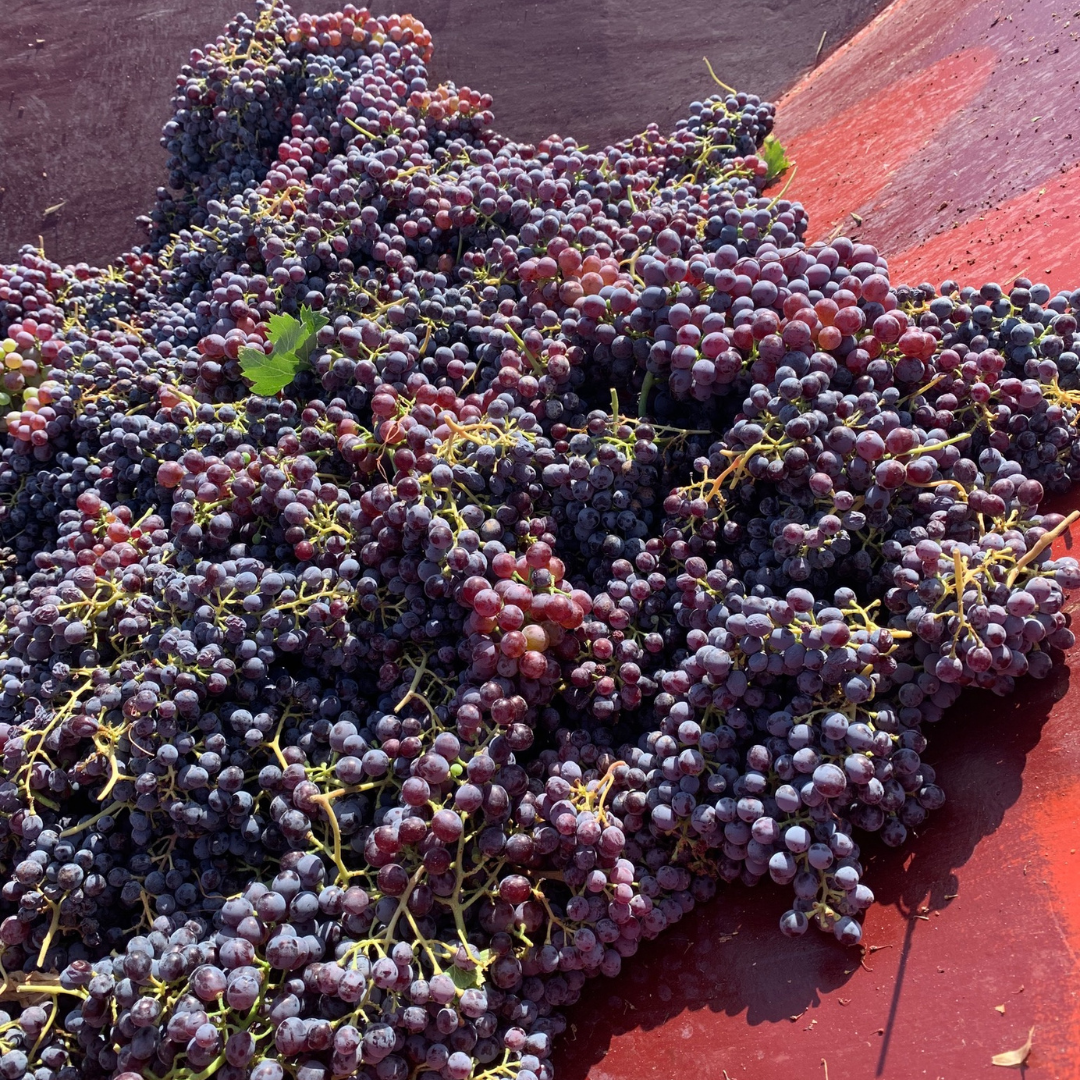
Planet of the Grapes excels in sustainable procurement by embedding ethical, environmental and social expectations directly into its supply chain relationships. Their supplier code of conduct is reinforced by internal policies on human rights, child labour, deforestation, workplace behaviour and safety, ensuring that partners meet clear, accountable standards. A batch-based traceability system is being implemented to provide end‑to‑end visibility from vineyard to finished product, strengthening transparency and enabling swift action if issues arise. Operationally, they emphasise resource efficiency and industrial realism, prioritising the optimisation of existing machinery instead of developing bespoke equipment. By extending the useful life of current infrastructure and leveraging established industrial processes, they minimise unnecessary capital expenditure and avoid the environmental footprint associated with new manufacturing assets. This integrated approach shows how thoughtful procurement design can reduce impact, promote responsible practices, and support a more resilient value chain.
CIRCULARITY
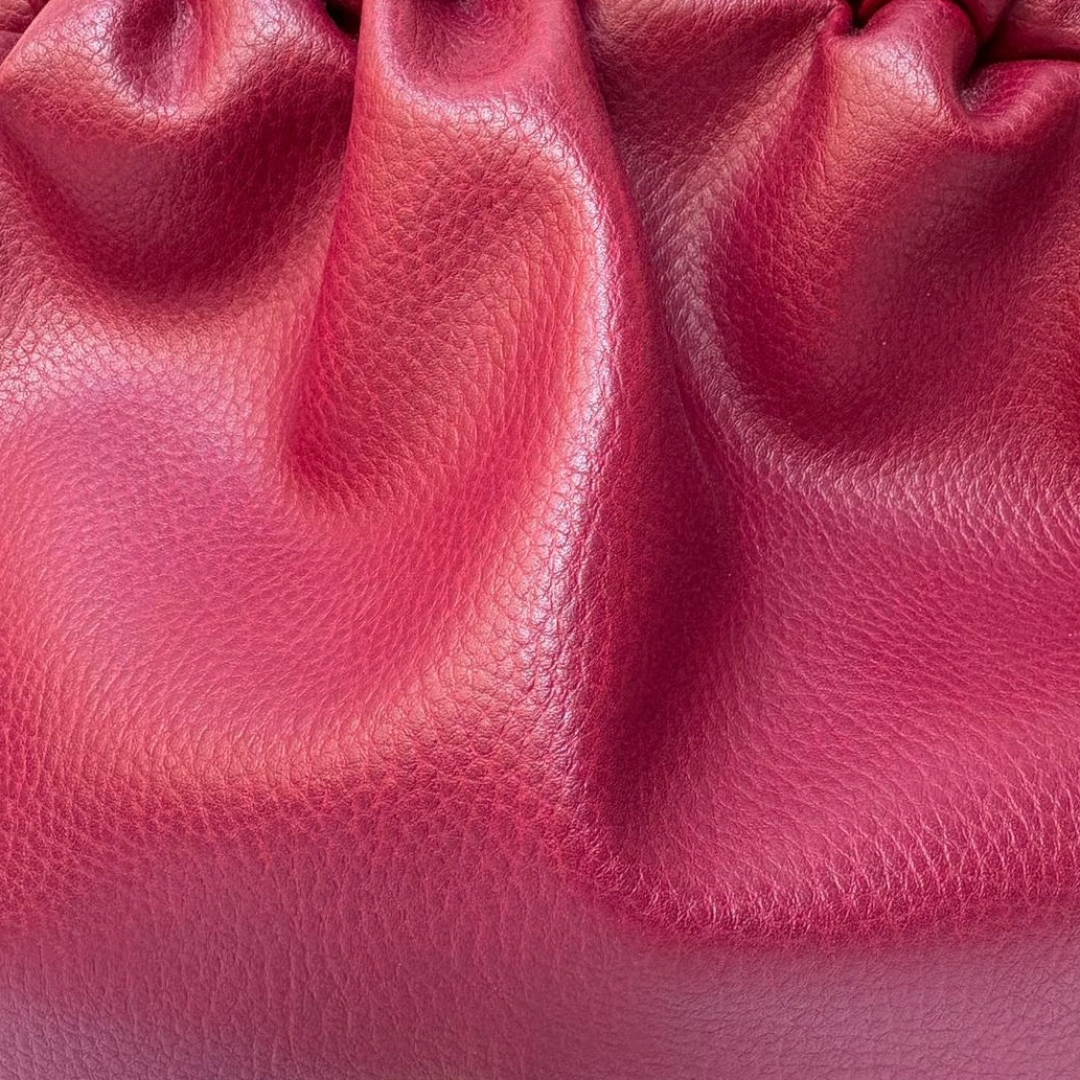
Planet of the Grapes demonstrates climate innovation through a circular, bio‑based material system derived from grape waste generated by existing viticulture. By valorising agricultural by‑products instead of relying on 100% dedicated crops, 100% fossil fuels or animal-based inputs, they avoid additional land use and ease pressure on water resources. Each metre of material produced incorporates a high proportion of this by‑product, enabling its long-term reuse within a circular value chain. This approach turns what was once considered waste by winemakers, into a valuable resource, capturing embedded carbon and nutrients within a useful material stream. The durability of the grape leather alternative further amplifies environmental benefits by extending product lifecycles and reducing the frequency of replacement, advancing a more circular economy.

HEALTH, SAFETY & WELLBEING
Planet of the Grapes maintains a strict health and safety policy to ensure that all parts of the value chain under its control are managed appropriately, from operational equipment to everyday hazard prevention. They also prioritise employees’ mental health and overall wellbeing, recognising that safe work is both physical and psychological. Beyond their own operations, Planet of the Grapes’ business model delivers indirect social benefits by creating new revenue streams for vineyards and local processors, helping to strengthen rural economic resilience amid climate-related harvest volatility. Robust chemical-management practices further contribute to safer working environments and protect downstream consumer health. It is the policy of Planet of the Grapes to conduct a thorough examination of health and safety performance in each department at least annually, benchmarking outcomes against established standards to drive continuous improvement.
Planet of the Grapes excels in sustainable procurement by embedding ethical, environmental and social expectations directly into its supply chain relationships. Their supplier code of conduct is reinforced by internal policies on human rights, child labour, deforestation, workplace behaviour and safety, ensuring that partners meet clear, accountable standards. A batch-based traceability system is being implemented to provide end‑to‑end visibility from vineyard to finished product, strengthening transparency and enabling swift action if issues arise. Operationally, they emphasise resource efficiency and industrial realism, prioritising the optimisation of existing machinery instead of developing bespoke equipment. By extending the useful life of current infrastructure and leveraging established industrial processes, they minimise unnecessary capital expenditure and avoid the environmental footprint associated with new manufacturing assets. This integrated approach shows how thoughtful procurement design can reduce impact, promote responsible practices, and support a more resilient value chain.
Planet of the Grapes demonstrates climate innovation through a circular, bio‑based material system derived from grape waste generated by existing viticulture. By valorising agricultural by‑products instead of relying on 100% dedicated crops, 100% fossil fuels or animal-based inputs, they avoid additional land use and ease pressure on water resources. Each metre of material produced incorporates a high proportion of this by‑product, enabling its long-term reuse within a circular value chain. This approach turns what was once considered waste by winemakers, into a valuable resource, capturing embedded carbon and nutrients within a useful material stream. The durability of the grape leather alternative further amplifies environmental benefits by extending product lifecycles and reducing the frequency of replacement, advancing a more circular economy.
Planet of the Grapes maintains a strict health and safety policy to ensure that all parts of the value chain under its control are managed appropriately, from operational equipment to everyday hazard prevention. They also prioritise employees’ mental health and overall wellbeing, recognising that safe work is both physical and psychological. Beyond their own operations, Planet of the Grapes’ business model delivers indirect social benefits by creating new revenue streams for vineyards and local processors, helping to strengthen rural economic resilience amid climate-related harvest volatility. Robust chemical-management practices further contribute to safer working environments and protect downstream consumer health. It is the policy of Planet of the Grapes to conduct a thorough examination of health and safety performance in each department at least annually, benchmarking outcomes against established standards to drive continuous improvement.
A WORD FROM THE FOUNDER
I decided when I set up Planet of the Grapes that I wanted us to be Positive Luxury certified, as it is the only certification that is designed specifically for the Luxury industry, and I share a like-minded vision and values. I've seen Positive Luxury grow since it set up back in 2011 and I appreciate and respect the Brands that are part of the Positive Luxury community for their sincerity in wanting to make Positive Change and Planet of the Grapes sits in there perfectly too.
SAMANTHA MUREAU
FOUNDER

WHY POSITIVE LUXURY?
As Positive Luxury is focused on the Luxury industry, it gives it a particular channelling and clarity. What is more it is a community of wonderful Luxury Businesses that are Luxury in the true sense, craftsmanship, know-how, individualism and uniqueness, not just marketing and branding. Positive Luxury is helping us strive collectively to keep Luxury where it should be, as leaders of crafting and expertise, with respect to the art of creating and designing, intertwined with caring for the planet and those working in this space. I believe it will add another level of sincerity to our biomaterials business.
PATHWAY TO HIGHER STANDARDS
Planet of the Grapes is on a continuous journey of progression – constantly testing, trialling, and refining its approach to advance circular design. At the heart of its model is the valorisation of grape waste sourced directly from local vineyards. What is traditionally considered “waste” is transformed into high-value biomaterials, giving this natural resource a meaningful second life. The company is committed to steadily increasing the bio-based content of its materials, without compromising performance or longevity. Durability is central to its philosophy: materials are designed to last, and to be reused, repaired, or repurposed wherever possible. Through this approach, Planet of the Grapes actively contributes to a regenerative, circular economy rooted in craftsmanship, innovation, and local sourcing.