

SUPPLIER
DENIMAI TEXTILES
DeniMai Textiles is an Istanbul-based denim and woven garment manufacturer offering end-to-end production solutions for international fashion brands. They specialise in creative denim development, premium washes, flexible sampling, and reliable bulk production, supporting brands from concept to finished garment. With experience across Europe, the UK, the USA, South Korea, and Japan, DeniMai combines strong product development, quality craftsmanship, and responsive service to deliver fashion-driven collections with speed, flexibility, and attention to detail.
VERIFICATION VERDICT
DeniMai Textiles is a textile supplier demonstrating clear actions towards responsible business across its environmental, social, and governance practices. From certified low-impact materials to human rights due diligence and a structured sustainability policy framework, DeniMai has embedded sustainability considerations into the core of how it operates, making it a more credible partner for brands seeking to strengthen the integrity of their supply chain.

Established
2016
Headquarters
Istanbul, Türkiye
First verified
2026
Employees
20-50
Categories
Denim and Hard Woven Garments Production
Website
Distribution
EU, United Kingdom, USA, Japan, Korea
Contact
Case Studies
CIRCULARITY & CLIMATE
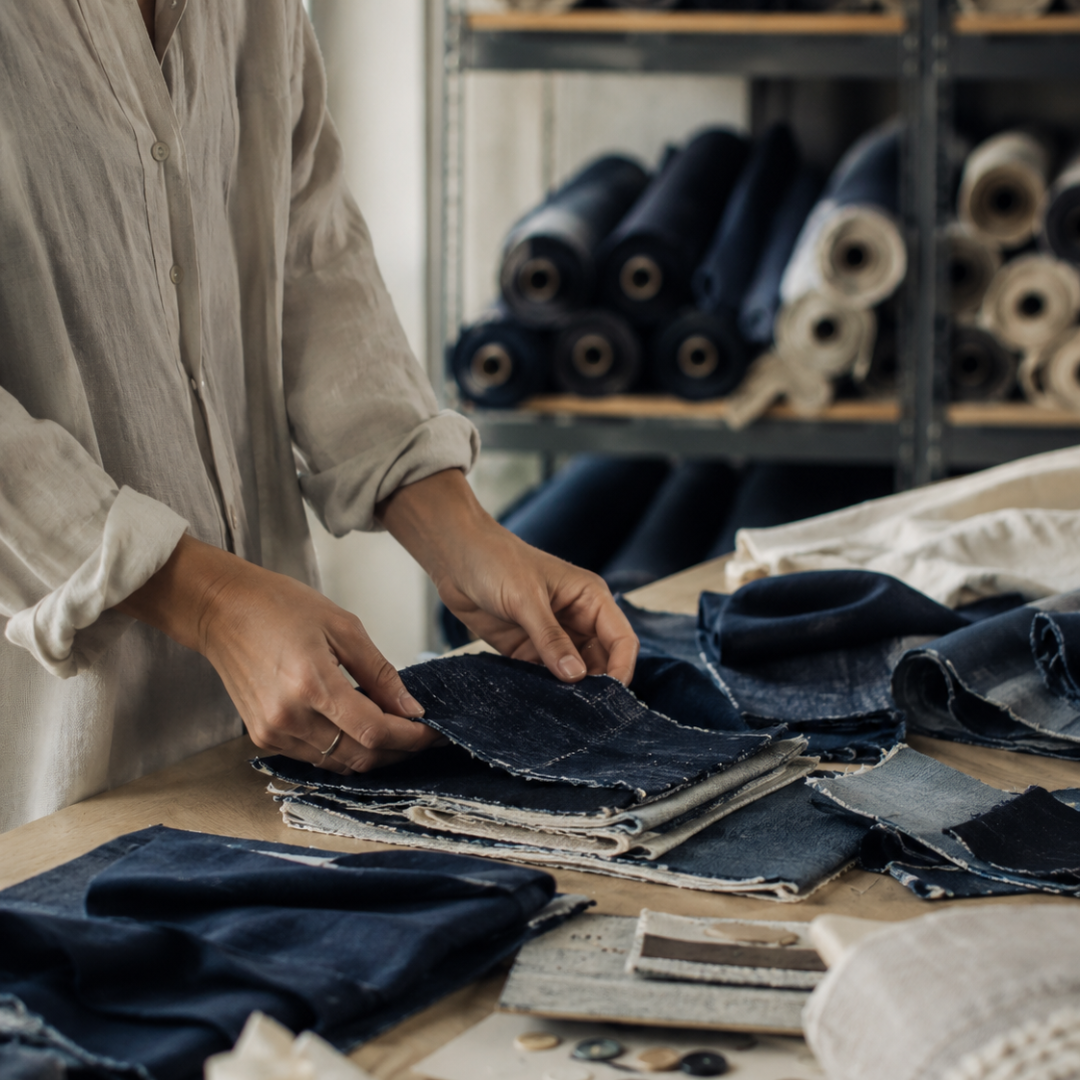
DeniMai Textiles demonstrates a strong commitment to material integrity and environmental responsibility through its use of internationally recognised certifications, including OCS (Organic Content Standard), RCS (Recycled Claim Standard), OEKO-TEX, and GOTS (Global Organic Textile Standard). The breadth of certifications reflects a deliberate strategy to prioritise low-impact, traceable materials across its product offering, covering organic, recycled, and chemical-safety standards. This approach not only reduces the environmental footprint associated with raw material sourcing but also provides brands with the transparency and traceability increasingly required by regulators and consumers alike.

HUMAN RIGHTS & MODERN SLAVERY
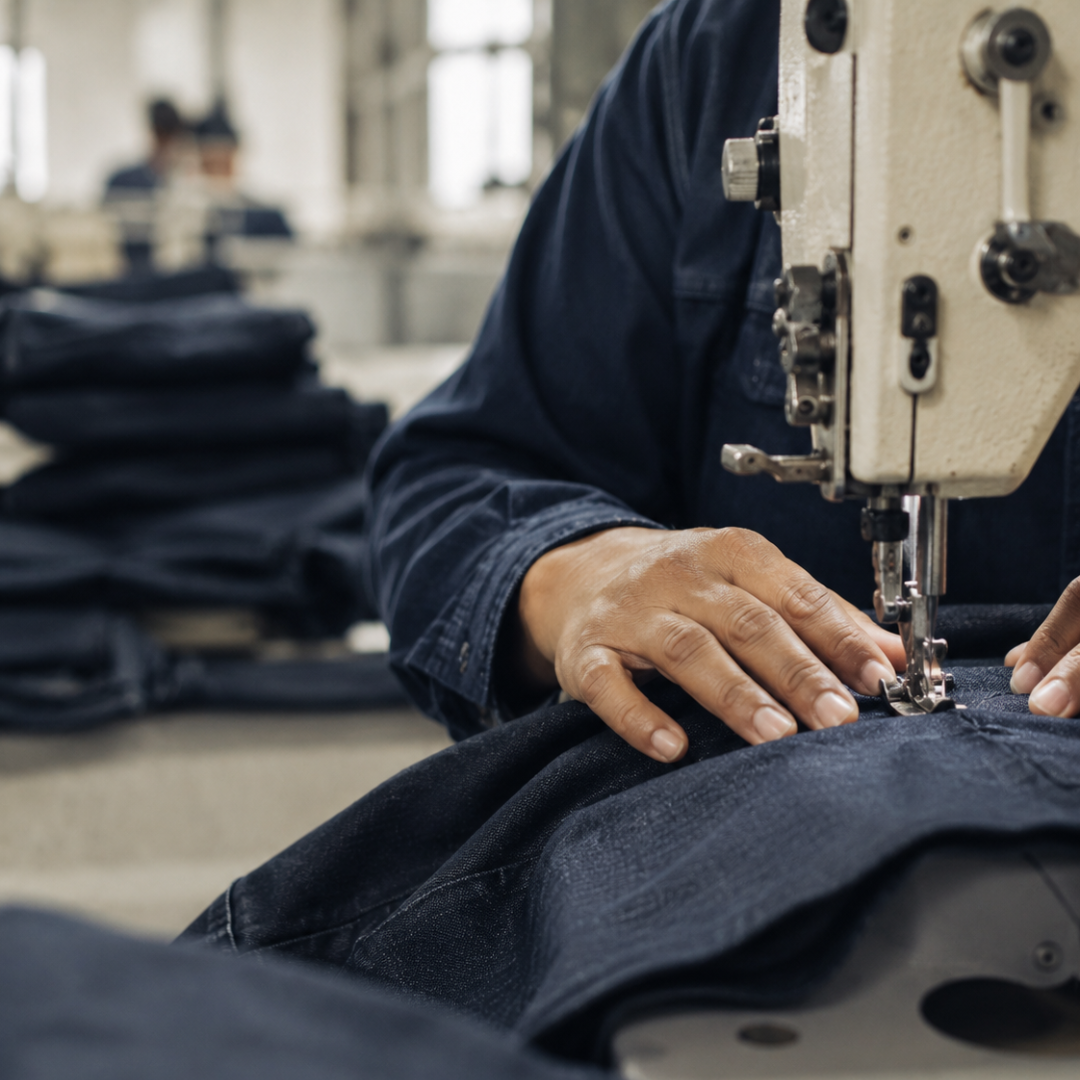
DeniMai Textiles takes a proactive approach to human rights, with a range of due diligence processes in place to identify, prevent, and mitigate potential violations across both its direct operations and wider supply chain. This includes formal human rights statements that articulate the company's commitments, as well as contractual clauses embedded within company policy to ensure that social standards are upheld at every level of the business. By integrating human rights considerations directly into its governance structures, DeniMai goes beyond compliance, demonstrating a commitment to the dignity and fair treatment of workers throughout its value chain.
SUSTAINABLE PROCUREMENT
DeniMai Textiles has established a comprehensive company policy that sets out its approach to sustainability across environmental, social, and governance dimensions, providing a clear framework for how these considerations are managed and integrated into business decision-making. Rather than treating ESG as a series of isolated initiatives, the policy reflects an understanding that responsible procurement requires a joined-up approach, one that addresses supplier relationships, material choices, and operational practices in a coherent and accountable way. This governance foundation positions DeniMai as a supplier that not only meets current expectations but is structured to adapt and improve as sustainability standards continue to evolve.
DeniMai Textiles demonstrates a strong commitment to material integrity and environmental responsibility through its use of internationally recognised certifications, including OCS (Organic Content Standard), RCS (Recycled Claim Standard), OEKO-TEX, and GOTS (Global Organic Textile Standard). The breadth of certifications reflects a deliberate strategy to prioritise low-impact, traceable materials across its product offering, covering organic, recycled, and chemical-safety standards. This approach not only reduces the environmental footprint associated with raw material sourcing but also provides brands with the transparency and traceability increasingly required by regulators and consumers alike.
DeniMai Textiles takes a proactive approach to human rights, with a range of due diligence processes in place to identify, prevent, and mitigate potential violations across both its direct operations and wider supply chain. This includes formal human rights statements that articulate the company's commitments, as well as contractual clauses embedded within company policy to ensure that social standards are upheld at every level of the business. By integrating human rights considerations directly into its governance structures, DeniMai goes beyond compliance, demonstrating a commitment to the dignity and fair treatment of workers throughout its value chain.
DeniMai Textiles has established a comprehensive company policy that sets out its approach to sustainability across environmental, social, and governance dimensions, providing a clear framework for how these considerations are managed and integrated into business decision-making. Rather than treating ESG as a series of isolated initiatives, the policy reflects an understanding that responsible procurement requires a joined-up approach, one that addresses supplier relationships, material choices, and operational practices in a coherent and accountable way. This governance foundation positions DeniMai as a supplier that not only meets current expectations but is structured to adapt and improve as sustainability standards continue to evolve.
PATHWAY TO HIGHER STANDARDS
DeniMai is focused on building more responsible denim and woven production through practical, measurable steps. The company works with certified materials such as organic, recycled, and responsibly sourced fibres, while prioritising lower-impact washing, reduced water consumption, and efficient chemical use. DeniMai also focuses on humane working conditions, worker safety, and responsible supply chain practices, working closely with certified partners to improve traceability and support better environmental and social standards from development through bulk production.