With over 160 luxury brands, retailers and suppliers across the globe, our member community forum is an exclusive space to connect, share learnings and best practice, and collaborate to build a more sustainable future for luxury. Hit ‘Add new topic’ to introduce yourself or start a discussion.
3 INSIGHTS ON HOW SUSTAINBABILITY IS SHAPING LUXURY CONSUMER BEHAVIOUR
March, 2026
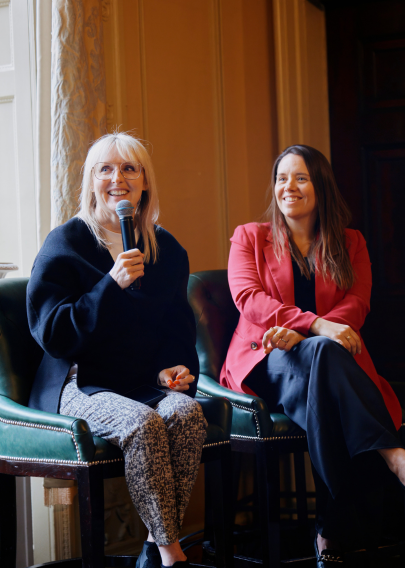
At Positive Luxury’s latest Open House, hosted at Home House, Managing Director Jamie Moore brought together industry experts to explore how brands close the gap between sustainability ambition, action and consumer behaviour. Joining the panel were Fiona Harkin, Head of Foresight at The Future Laboratory, and Katie Richards, Head of Sustainability at Monica Vinader, offering perspectives spanning consumer insight, brand strategy and operational sustainability. Set against a backdrop of increasing regulation, shifting consumer expectations and rapid technological change, the discussion explored how luxury brands can build trust, demonstrate value, and communicate sustainability with clarity and credibility.
THREE KEY INSIGHTS
Sustainability isn’t dead – but the way we talk about it is
Consumers still care, but not in the way brands often assume. The panel highlighted the persistent say–do gap, where up to 80% of consumers claim sustainability matters, yet only a small proportion act on it consistently. As Fiona Harkin noted, “sustainability has come to mean so much that it risks meaning nothing at all.” The implication for luxury is that sustainability alone is rarely a purchase driver, but it is a powerful driver of loyalty and trust. The opportunity lies in reframing sustainability so it underpins quality, craftsmanship and legacy, rather than positioning it as a standalone message.
Evidence matters more than engagement
Traceability, certifications and digital product passports are becoming essential, but not necessarily because consumers actively engage with them. Instead, their value currently lies in presence, not clicks. As the panel put it, “it’s not about shouting the loudest – it’s about having the evidence there when it matters.” Consumers may not interrogate the data, but they expect it to exist. Transparency is shifting from a differentiator to a baseline expectation, reinforcing the need for brands to substantiate every claim. After all, “consumers don’t expect perfection – but they won’t accept contradiction.”
The future of luxury is about reducing consumer burden
Looking ahead, the panel emphasised a shift away from placing responsibility on consumers to “choose better”. Instead, leading brands will embed sustainability into products by default, remove friction from decision-making, and deliver quality, performance and responsibility simultaneously. As Katie Richards summarised, “the goal is simple: the product people want to buy should also be the most responsible choice,” ensuring that the most sustainable option becomes the obvious and easy one – rather than a decision that requires effort.
IN SUMMARY
Luxury is entering an era defined by accountability, not aspiration alone. Sustainability is no longer a separate narrative, it is part of how value is created. In three years, the most successful luxury brands won’t necessarily be those talking the loudest about sustainability, but those that have built it into their offering and value so seamlessly that customers don’t have to think about it at all. Sustainability won’t drive the sale – but it will determine which brands customers trust, return to and recommend.