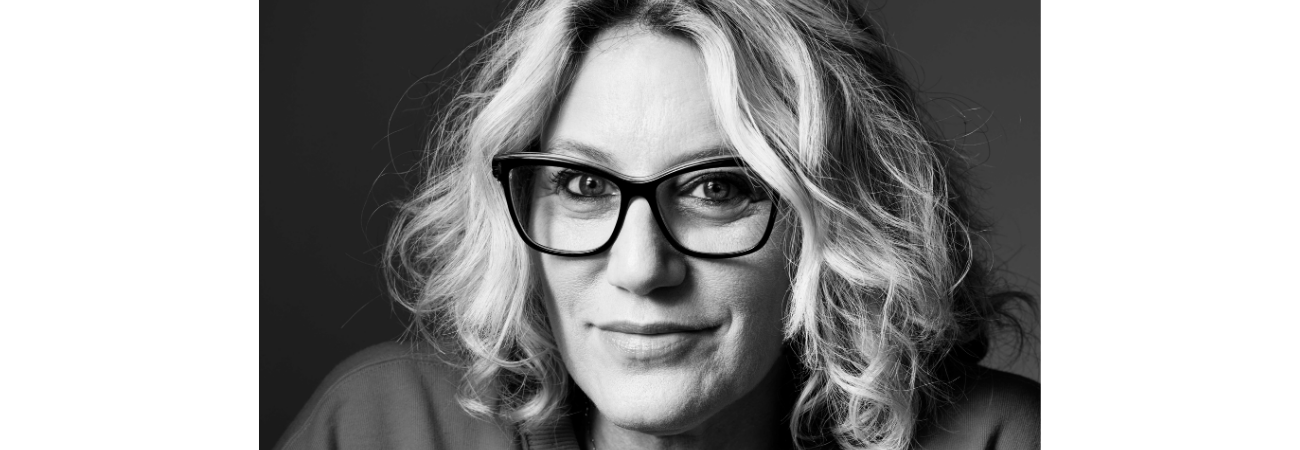
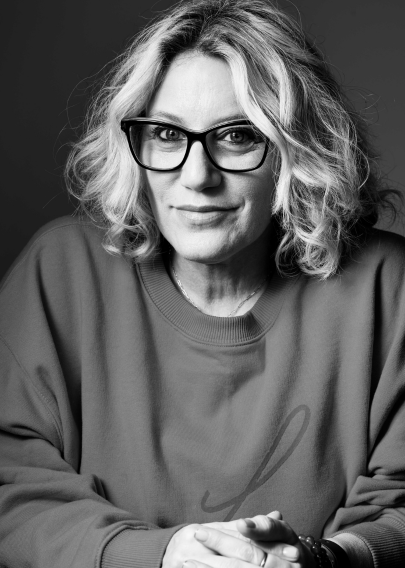
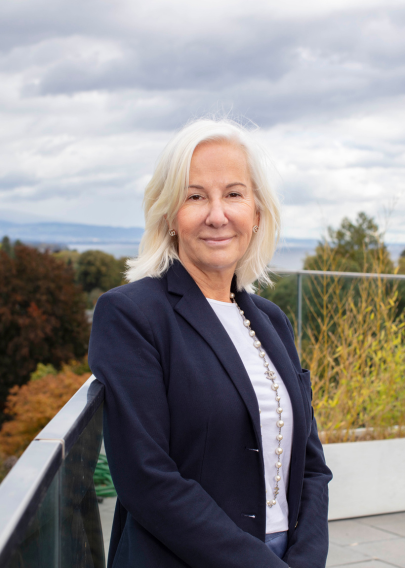
In this interview, drawn from Positive Luxury’s latest report, Luxury at a Crossroads, Millie Kendall OBE, Founder and CEO of the British Beauty Council, reflects on the sustainability challenges set to shape the beauty industry in 2026. From overproduction and waste management to Extended Producer Responsibility (EPR) and consumer behaviour, Kendall argues that the sector must shift away from a culture of excess and towards one rooted in quality, longevity and accountability. Highlighting initiatives such as the Great British Beauty Cleanup and growing cross-industry collaboration on packaging innovation, she sets out why redefining the notion of ‘value’ – and bringing consumers along for the journey – will be critical to building a more resilient and responsible beauty ecosystem.
. . .
What do you think are going to be the sustainability challenges or themes for the Beauty industry in 2026?
I would say two big things. I’d like to see the beauty industry slow down a bit, and then I would like to see the end user taking more responsibility. Like all consumer goods, the life cycle of a beauty product is a challenge – from picking a plant or ingredients, putting it in a bottle, to buying it and putting it in your bathroom. Then, what the end user does with beauty empties is always a challenge. We’ve got the Great British Beauty Cleanup programme we’re running in 2026, which is a recycling programme to educate and persuade the end user to do something about their empties. But the bigger challenge is that the beauty industry needs to slow down. There needs to be a greater value attributed to each item, as opposed to it being the more you have, the more value there is. There almost needs to be a change in the definition of the word value. It’s not about ‘more’ – it should be about quality, not quantity.
Is it becoming easier or tougher to talk to consumers about sustainability or change behaviours?
Even with EPR and the movement towards tracking of your supply chain – does a consumer care when walking into a store? Essentially, it is on the brands to do more, do better and be better, and that means getting the end user along for the journey – it’s about engaging the end user more. It’s tougher when you’ve got a cost of living crisis and everyone is scared about spending money. Collectively, if the consumer goods industry changed the narrative a little bit and stopped pushing products, maybe it would be a little bit easier. But on the flip side, the cost of living crisis has made people start to think about what they’re buying. Whilst there is a very challenging economic climate, I would hope that this would drive an easy conversation in terms of sustainability. Because for me, sustainability is about buying quality goods. Whether it’s a natural plant extract or biotech made in a lab, it’s about the quality, the value, the reason.
What are the British Beauty Council’s or Sustainability Coalition’s biggest priorities for 2026?
To be honest with you, most of this year will be about waste management. We are doing the Great British Beauty Cleanup, which we launched in 2024. We had 50 businesses sign up and it was really positive – driving lots of traffic back to brands. This take back scheme is really important; the idea is to get those into small businesses. We also run a programme every year called the Packaging Solutions Summit, where we look at alternatives to plastic. We’re getting far more collaboration than we did originally five or six years ago.
What brands stand out as leading the way, or doing really great stuff that should inspire others?
Shellworks are brilliant because they’ve created this amazing packaging solution – people should be throwing money at them now because they need investment to develop their product offering. Sam McKnight adopted the Shellworks packaging for a scalp oil, which is the world’s first ever non-plastic pipette – sometimes it’s the small brands that are investing in this exciting area because they love the story, they love the message. And I’m always a big fan of the L’Occitane group because they’ve got some really fascinating brands that do a lot of interesting things.
If you could challenge luxury brands to kind of do one thing really well and lead the way, what would it be?
I think there’s a real opportunity for luxury, for brands to develop really amazing long-term sustainable solutions. They just need to collaborate; they need to be talking to each other. They’re so terrified of competition that they sit isolated. Luxury brands think that if they collaborate to create a sustainable packaging solution, they’ll get something generic which they can’t stamp their brand identity on. Which is absolutely rubbish – they just need to open their mind a little bit! There’s a packaging manufacturer called TOLY for instance, who have worked with a distributor to develop a refill solution and proven you can create really chic luxury packaging. You can have enough design adaptations to make something still look unique and beautiful.
DOWNLOAD THE FULL REPORT ‘LUXURY AT A CROSSROADS’ FOR MORE INDUSTRY INSIGHTS
LEARN MORE ABOUT THE BRITISH BEAUTY COUNCIL & GREAT BRITISH BEAUTY CLEAN UP
< Back